Model report6 min read
GPT Image 2.5 Is Now Live on Yihook: Faster, More Precise, and More Consistent AI Image Generation
GPT Image 2.5 is now available on Yihook, with natural visual detail, stronger subject preservation, precise image editing, and consistent creative iterations.

OpenAI has introduced GPT Image 2.5, its next-generation model for AI image generation and editing.
As AI-generated imagery becomes part of real workflows in advertising, ecommerce, social media, brand design, and product ideation, creators need more than a visually appealing first result. Subject consistency, precise local changes, and image quality across multiple rounds of editing now determine whether an output is actually usable.
GPT Image 2.5 is designed around these production needs. It delivers more natural lighting and textures, stronger reference-subject preservation, more precise image editing, more consistent multi-turn revisions, and faster generation.
GPT Image 2.5 is now available on Yihook, bringing creators a new option for controlled AI image generation and editing.
What Is GPT Image 2.5?
GPT Image 2.5 is OpenAI's latest model for generating and editing images. It can create visuals from text prompts, work from reference images, and modify people, products, backgrounds, text, or layouts according to specific instructions.
Instead of focusing only on one-off generation, GPT Image 2.5 gives creators more control throughout the creative process. A rough idea can be refined through a series of instructions while preserving approved subjects, compositions, and visual styles as closely as possible.
This makes the model useful not only for individual creators, but also for commercial workflows that involve repeated revisions, high-volume production, and consistent visual output.
More Natural Lighting, Textures, and Visual Detail
An image does not feel realistic simply because it is sharp. Lighting, shadows, materials, and environmental details also need to work together convincingly.
GPT Image 2.5 improves natural lighting, surface textures, and fine-detail rendering. Skin, hair, fur, clothing, glass, metal, wood, and product packaging can appear with greater visual depth, while subjects are more naturally integrated into their surroundings.

These improvements are especially useful for product imagery, portraits, lifestyle photography, advertising concepts, brand visuals, and social media assets. For commercial teams, more natural output can bring generated images closer to a usable state and reduce the amount of post-production required.
Better Reference-Subject Preservation
One of the most common problems in reference-based generation is that a model may capture the overall look of an image while losing the defining features of a person or product.
A face may change when the background is replaced. A pose or composition may drift after an outfit or accessory is edited. Product packaging, labels, and structural details may also become inconsistent when the presentation changes.
GPT Image 2.5 improves the way reference subjects are recognized and preserved. When making a targeted edit, the model is better able to maintain the identity of a person, pet, product, or other subject while protecting areas that were not meant to change.
This capability is valuable when producing multiple assets around the same subject, such as placing one product in different campaign settings, exploring several looks for the same person, or creating a visually consistent content series from existing brand assets.
More Precise Local Image Editing
Traditional AI image editing often creates a frustrating problem: changing one detail can alter the entire image.
A creator may want to adjust a color, remove a background object, or add a single element, only to find that the model has also changed the subject, composition, or overall style. The result may look new, but it no longer preserves the parts that were already approved.
GPT Image 2.5 is better at understanding what should change and what should remain untouched. It can focus edits on a specified area or element while preserving the surrounding subject, composition, materials, and visual atmosphere more reliably.
Creators can use this capability to replace a product background, revise text in a poster, adjust clothing, remove unwanted objects, or add new elements to an existing composition. More precise editing turns AI image generation from repeated rerolling into a genuinely iterative creative process.
More Consistent Multi-Turn Editing
A finished commercial image rarely comes from a single prompt.
Real creative work is usually a sequence: establish the subject, refine the composition, then adjust colors, backgrounds, text, and details. Earlier image models could gradually drift away from the original direction after several revisions, sometimes damaging elements that had already been approved.
GPT Image 2.5 improves consistency across multiple rounds of editing. Each instruction can build more reliably on the previous result, reducing quality loss, subject changes, and visual drift over time.
Creators can begin with a broad concept and refine the composition, background, colors, and local details without restarting the entire image after every small change.
For advertising, ecommerce, and brand teams, stronger multi-turn consistency means less unnecessary rework and a better chance of preserving an approved creative direction throughout production.
Better Understanding of Complex Visual Instructions
AI image models can easily miss requirements when a prompt includes several subjects, spatial relationships, text elements, lighting directions, and style constraints at the same time.
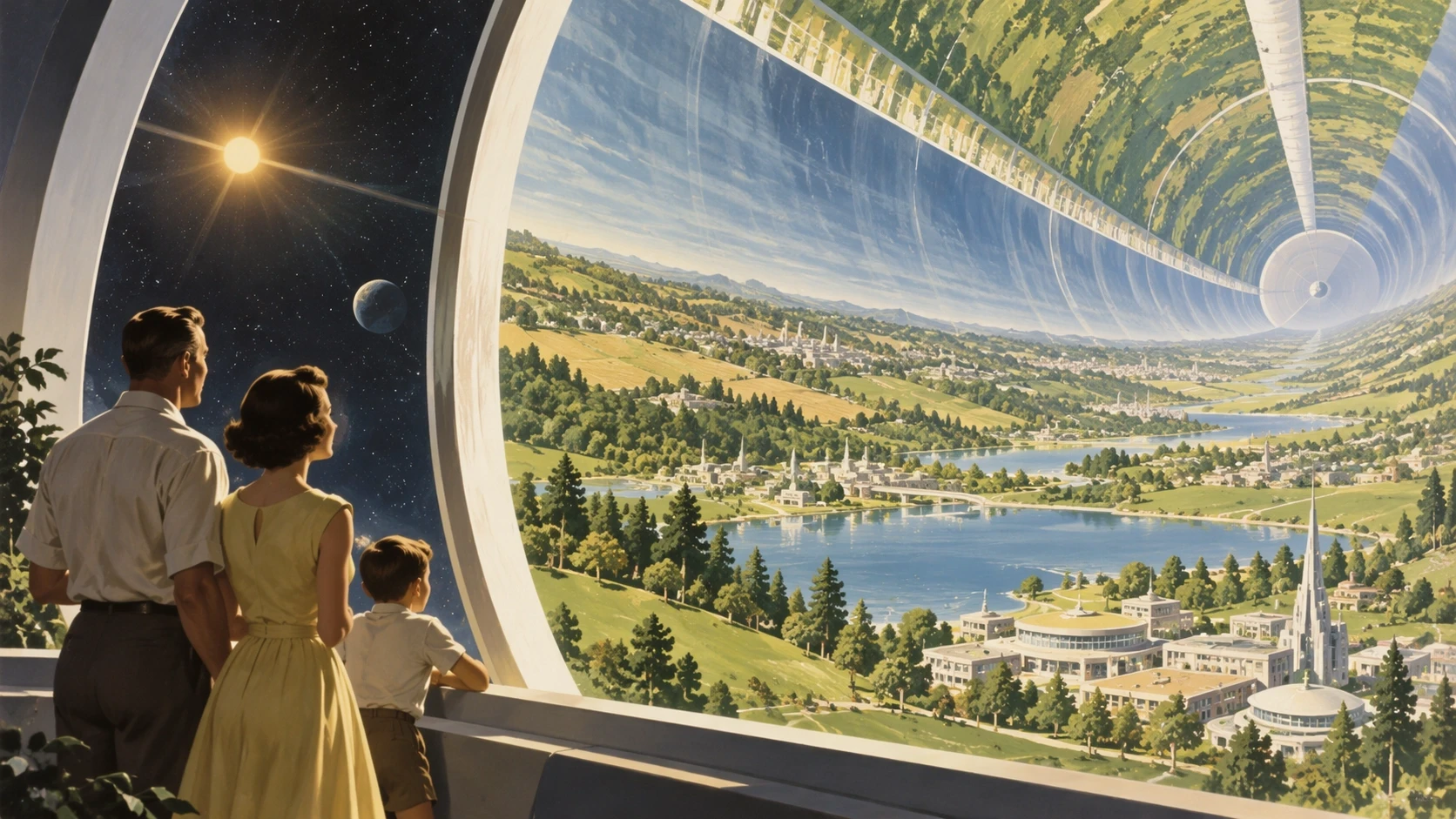
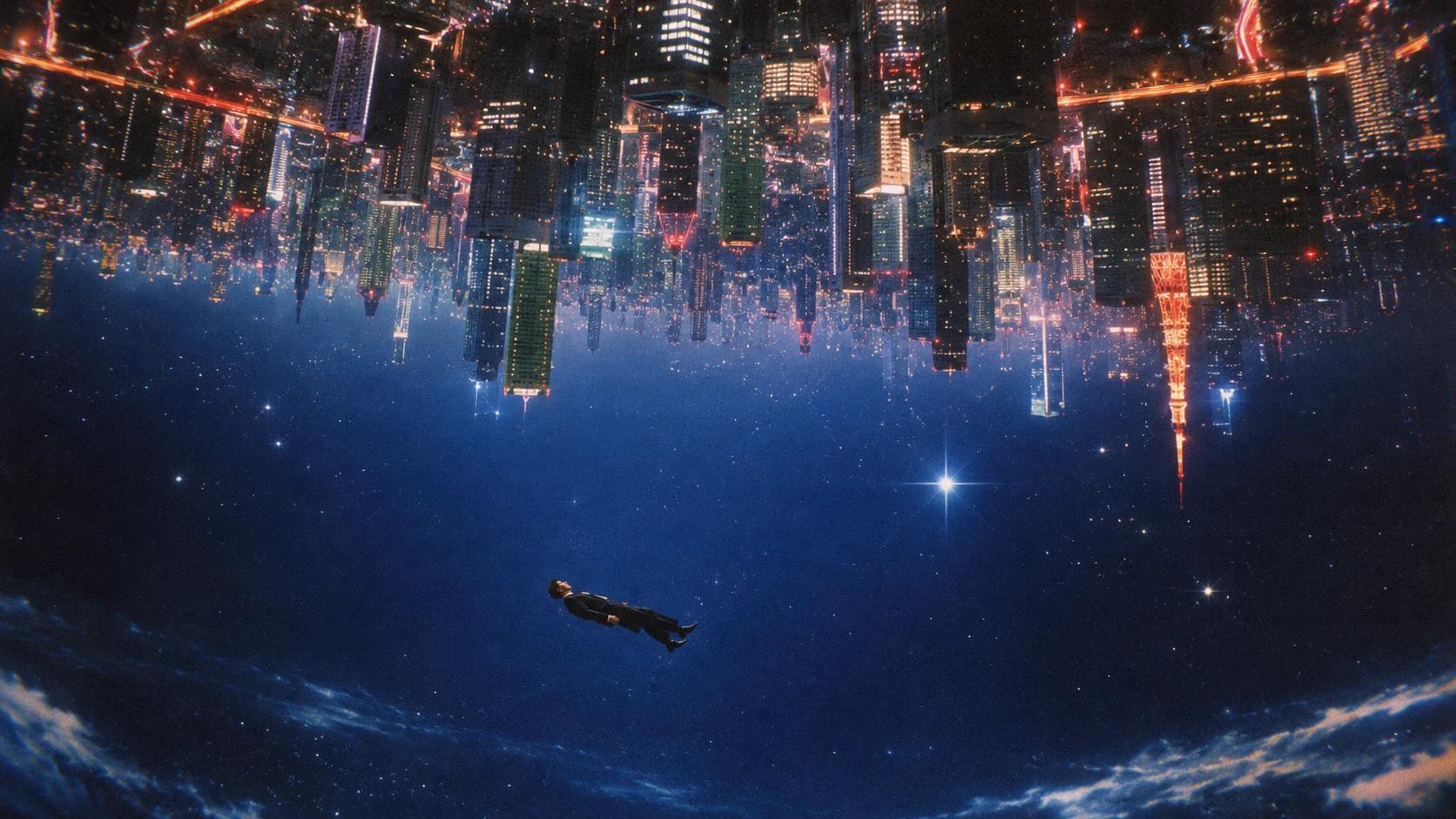
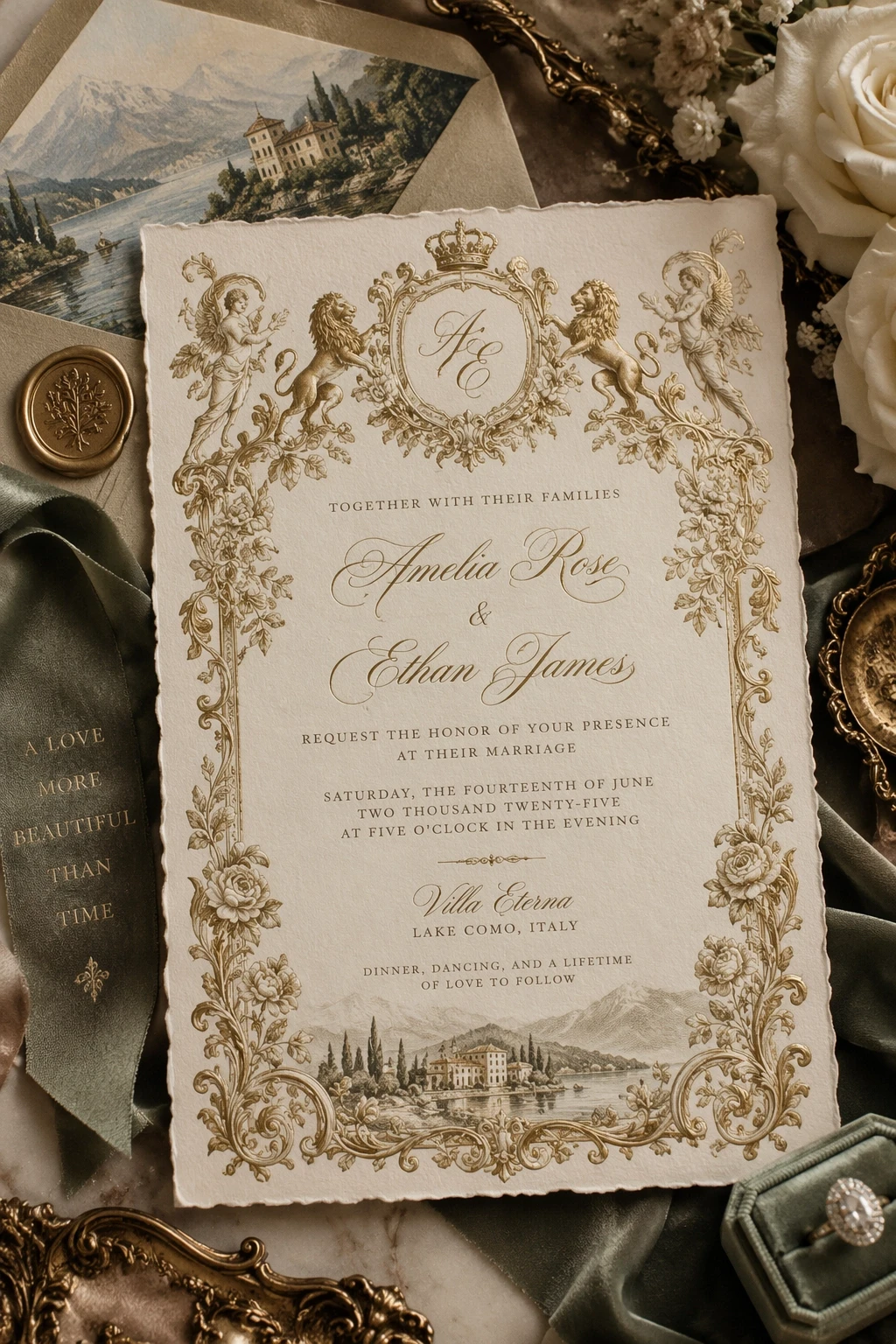
GPT Image 2.5 improves complex instruction following. It can organize visual hierarchy, subject relationships, environmental logic, and detailed creative requirements more effectively. Even when a prompt describes an unconventional space, a surreal composition, or an information-dense design, the model is better equipped to bring those instructions together in a coherent image.
|
|
This capability is useful for advertising posters, invitations, infographics, product-page concepts, and other multi-element visuals. Creators can specify subject placement, camera angle, visual style, text areas, and the details that must be included or excluded.
Stronger Layout and Visual Style Control
Beyond generating a single subject, GPT Image 2.5 is better at handling visuals with a defined structure.
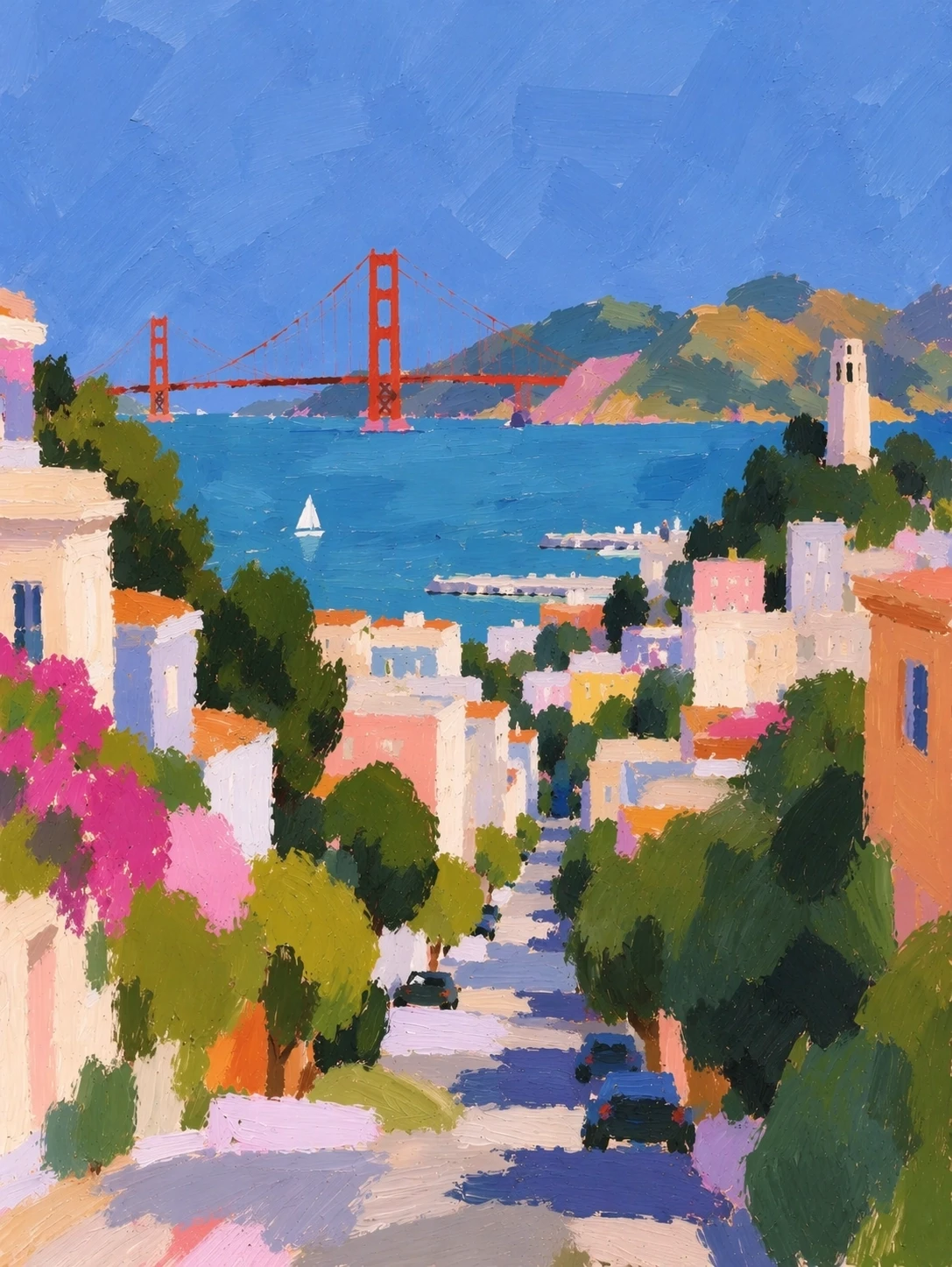
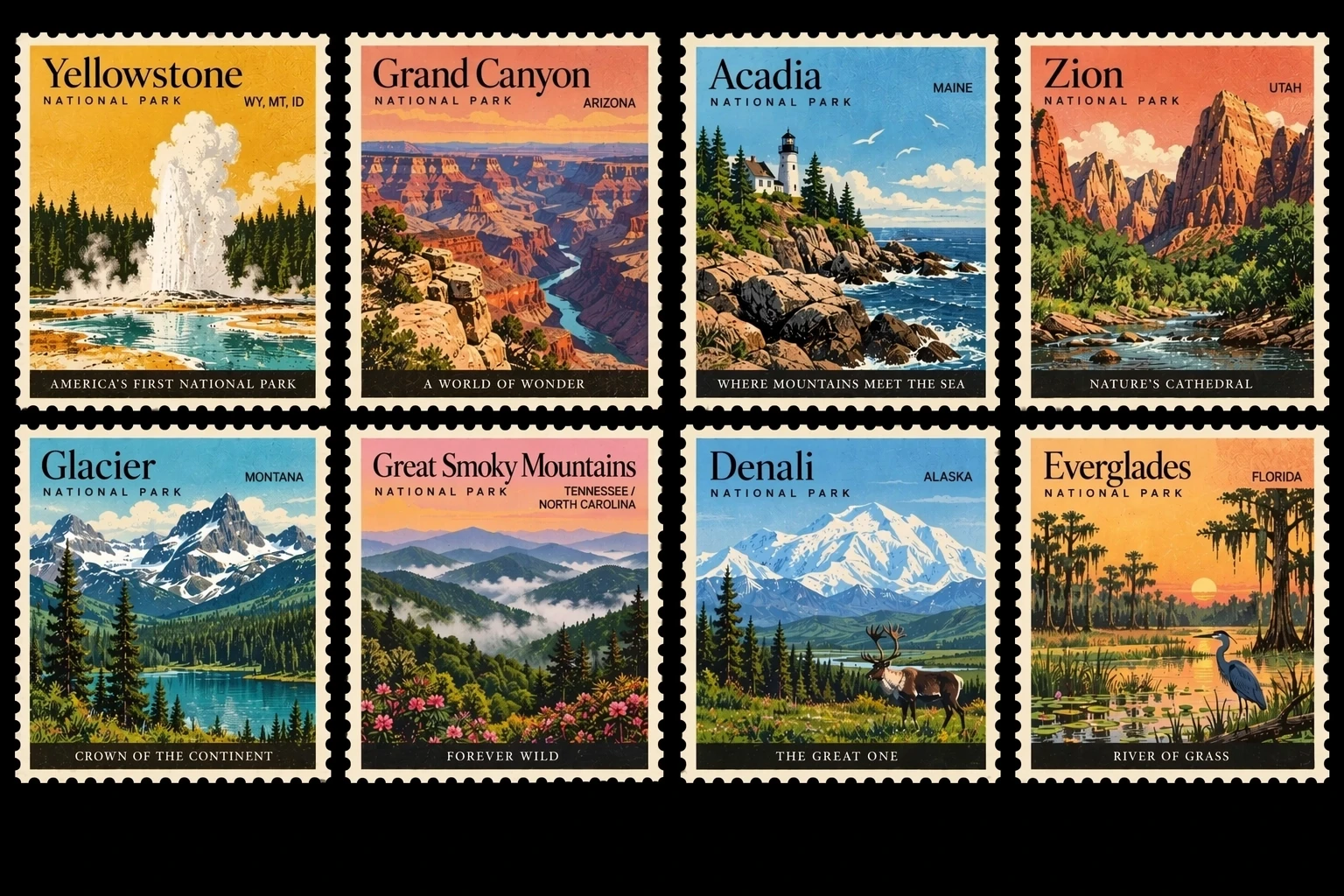
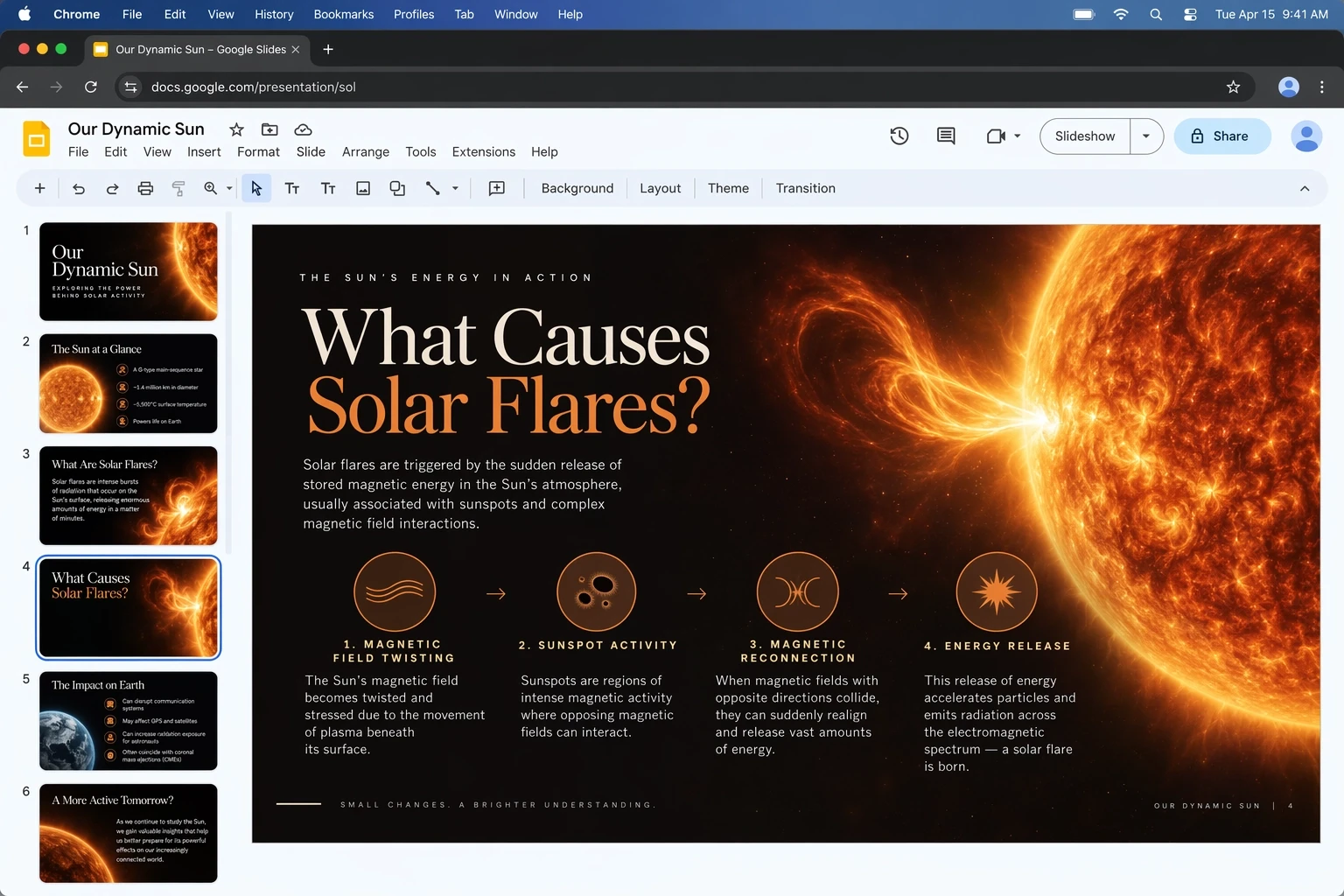
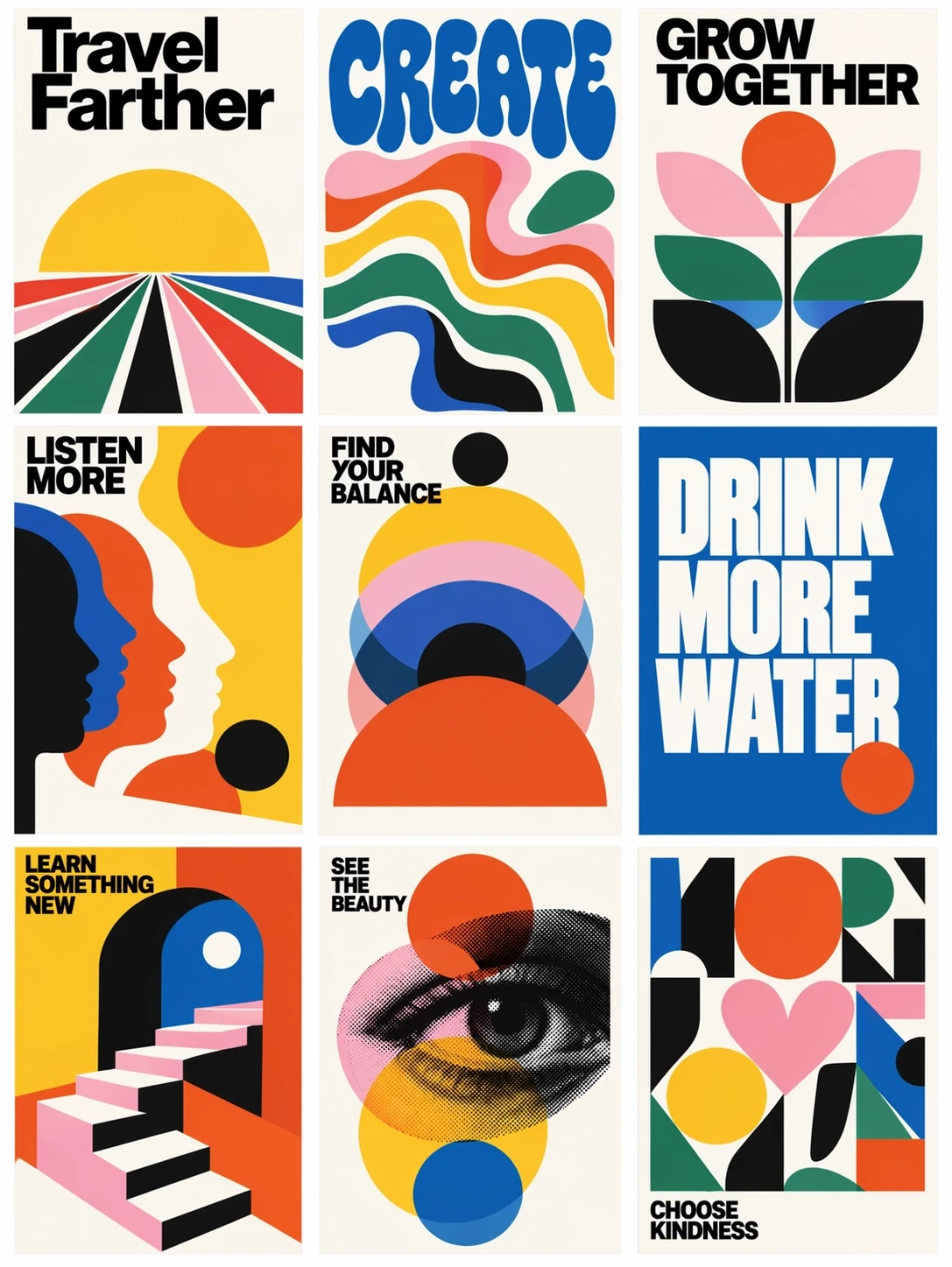
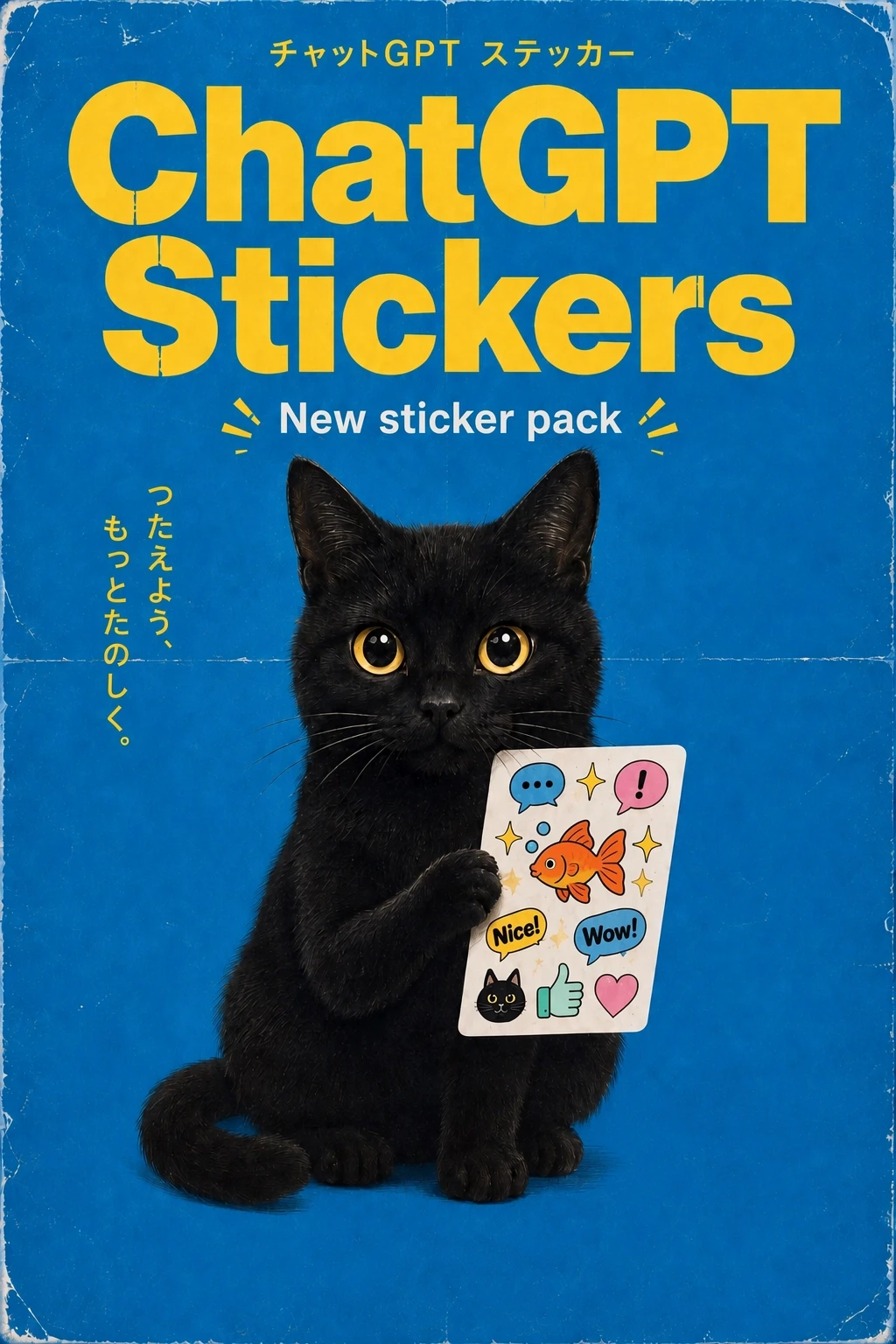
The model can understand the hierarchy between subjects, headlines, supporting copy, icons, and decorative elements, then arrange them according to the prompt. It can also follow more specific style directions, from realistic photography and commercial advertising to vintage print, editorial design, and minimalist posters.
|
|
For brand content production, this gives creators more influence over composition, color, typography, and visual direction instead of leaving every decision to the model. GPT Image 2.5 can also handle advanced output requirements such as transparent backgrounds, making it useful for product assets, icons, stickers, and reusable design elements.
Faster Generation and Creative Iteration
Generation speed directly affects the creative rhythm. Long waits make it harder to test new compositions and explore different directions quickly.
GPT Image 2.5 can reduce image generation latency by up to 50% compared with Images 2.0. Faster output allows creators to test more prompts, compare more visual directions, and move into refinement sooner.
This is particularly useful for producing social media assets at scale, testing advertising concepts, exploring product-photography directions, and preparing multiple options for creative review. The value of faster generation is not only shorter waiting time, but also a smoother and more continuous workflow.
GPT Image 2.5 Is Now Live on Yihook
GPT Image 2.5 moves AI image creation beyond one-off generation toward a more controlled, iterative visual production process, making it a stronger fit for commercial content that requires repeated refinement and consistent output.
Ready to try it?
Put this playbook to workon your next piece.
Every prompt and workflow above runs as-is on the Yihook canvas. Start from a product shot or an idea, make the visuals and videos, and keep what works for your team.