Model report6 min read
GPT Image 2.6 Is Now Live on Yihook: Flare and Sunburst Models, Multi-Reference Editing, and Complexity Control
GPT Image 2.6 is now available on Yihook with Flare for fast generation and Sunburst for fine editing, up to 16 reference images, 5 quality tiers, and structured complexity planning.
OpenAI has introduced GPT Image 2.6, its latest model family for AI image generation and editing. Yihook now provides access to both models: GPT Image 2.6 Flare for fast visual exploration and GPT Image 2.6 Sunburst for fine editing and detail consistency.
As generative visuals become central to production workflows across advertising, ecommerce, social media, and brand design, creators need clearer specialization between rapid iteration and targeted refinement. GPT Image 2.6 addresses these demands with dedicated model profiles, multi-image reference inputs, flexible quality tiers, structured complexity planning, and native transparent background generation.
GPT Image 2.6 is now live across Yihook in the generation page, homepage, creative canvas, and template library.
Two Specialized Models: Flare and Sunburst
GPT Image 2.6 provides two distinct models tailored for different workflow needs:
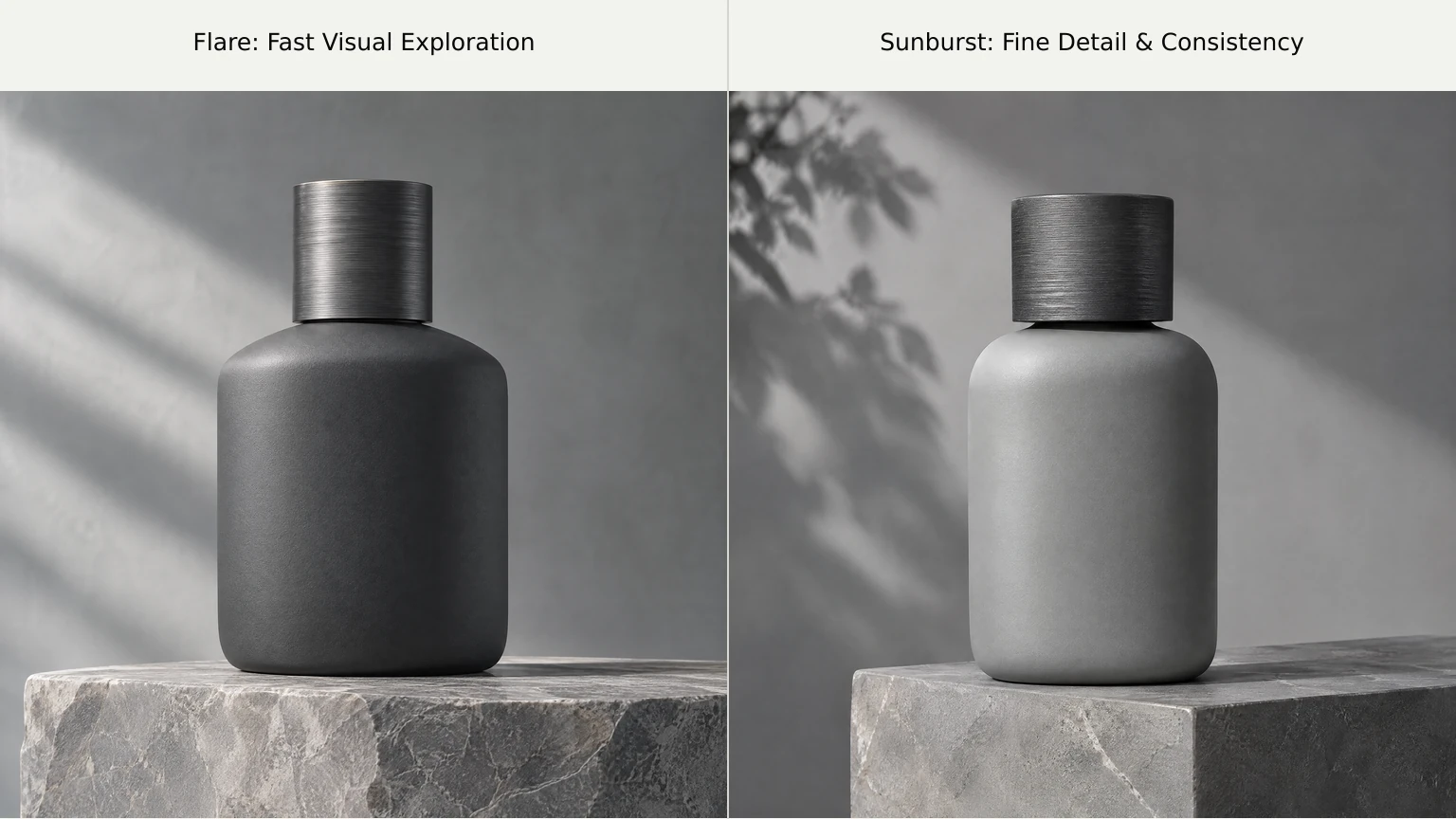
- GPT Image 2.6 Flare: Speed-prioritized, ideal for rapid concept testing, generating high volumes of visual options, and narrowing down design directions in less time.
- GPT Image 2.6 Sunburst: Prioritizes fine detail and editing consistency across multi-turn revisions, especially at medium and high quality settings. It is designed for precise local adjustments and preserving established visual assets.
Both models share the same token pricing formula and endpoint infrastructure, allowing creators to alternate between exploration and precision editing without friction.
Up to 16 Reference Images for Controlled Visuals
Commercial design rarely relies on a single visual source. Conveying product geometry, material texture, lighting conditions, and character identity often requires multiple inputs.
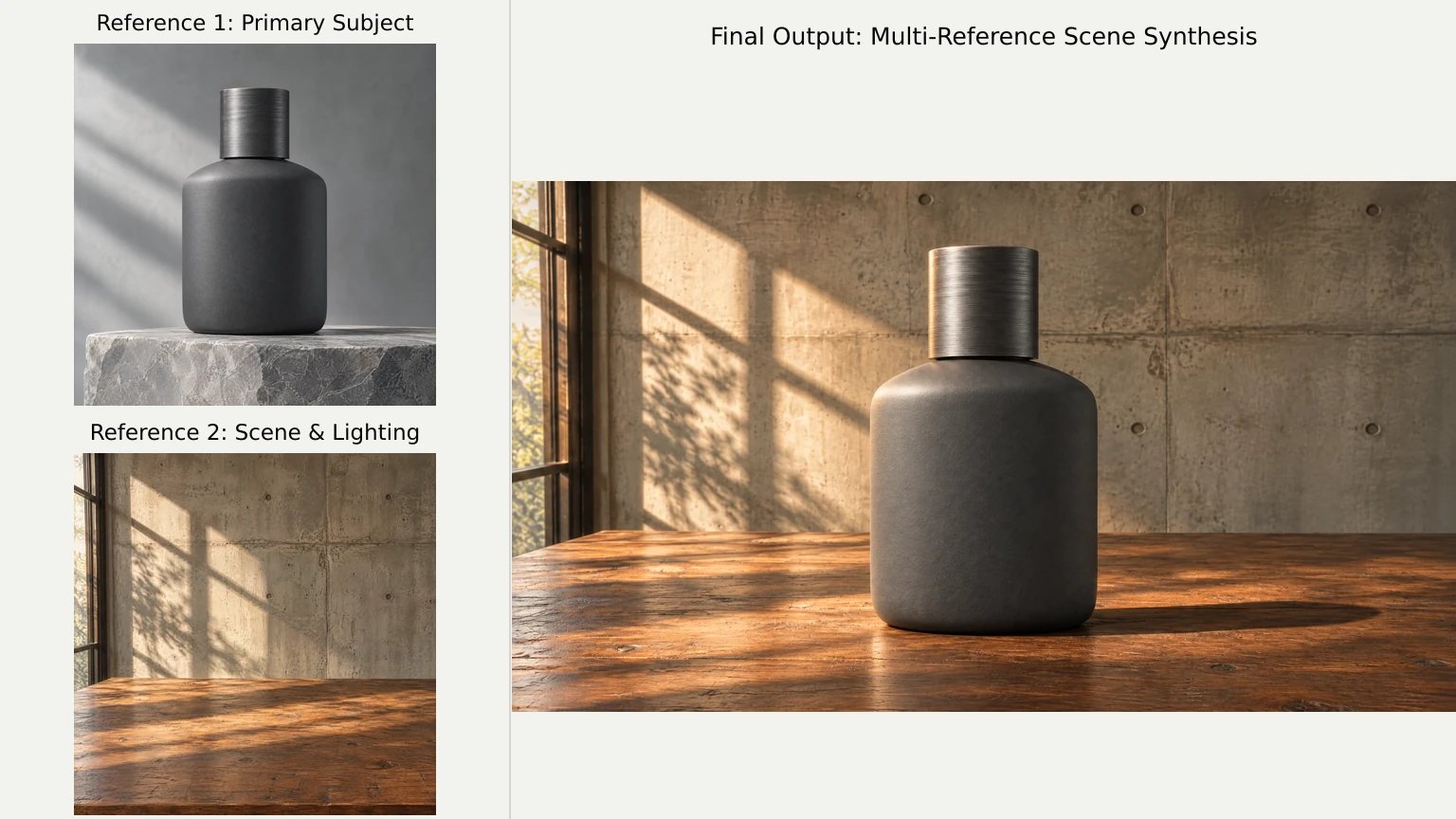
GPT Image 2.6 supports up to 16 reference images in image-to-image workflows. Each input image must not exceed approximately 16.77 million total pixels (around 4096×4096). The system uses the first image as the primary edit target, while additional references supply compositional cues, visual style, textures, and subject details.
This expanded reference capacity enables production teams to:
- Generate cohesive marketing scenes from multi-angle product photography
- Maintain consistent facial and styling features across diverse wardrobe or background changes
- Transfer design aesthetics and palettes from moodboards into new compositions
Five Quality Tiers and 15 Aspect Ratios across 1K, 2K, and 4K
To accommodate projects ranging from early draft layouts to final production deliverables, GPT Image 2.6 on Yihook offers five distinct rendering tiers:
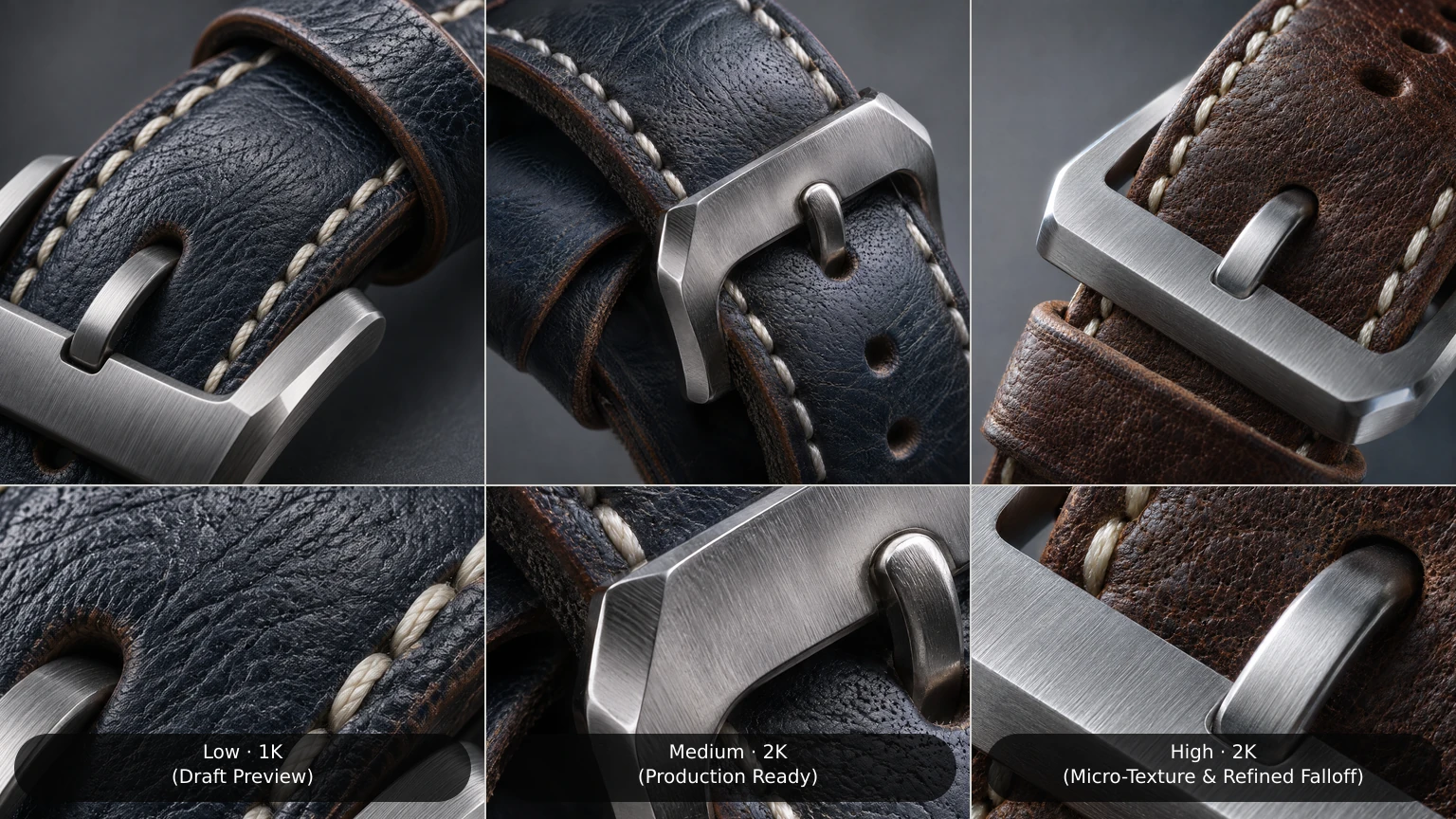
- Low and Medium: Designed for efficiency and reliable draft previews, suitable for rapid ideation and everyday social collateral.
- High, XHigh, and Max: Progressively deliver refined surface textures, natural lighting falloff, and sharp micro-details required for large-format displays, high-resolution ecommerce hero assets, and detailed promotional visuals.
In addition to quality tiers, GPT Image 2.6 supports 1K, 2K, and 4K output resolutions across 15 standard aspect ratios—including 1:1, 16:9, 9:16, 4:3, 3:4, 3:2, 2:3, 21:9, 9:21, 2:1, 1:2, 5:4, 4:5, 3:1, and 1:3—eliminating the need for manual post-generation cropping.
Structured Planning with Complexity Control
When prompts combine complex typography, crowded multi-object scenes, or layered spatial relationships, standard rendering passes can misinterpret structural hierarchies. Conversely, light touch-ups do not require heavy structural re-planning that could inadvertently alter approved details.
GPT Image 2.6 introduces the Complexity parameter, independent from rendering quality, with three selectable levels:
- Low: Ideal for minor localized edits or clean, isolated subjects, preventing unnecessary drift and maintaining structural stability.
- Medium: Balances overall composition and fine element preservation for standard commercial designs and text-image pairings.
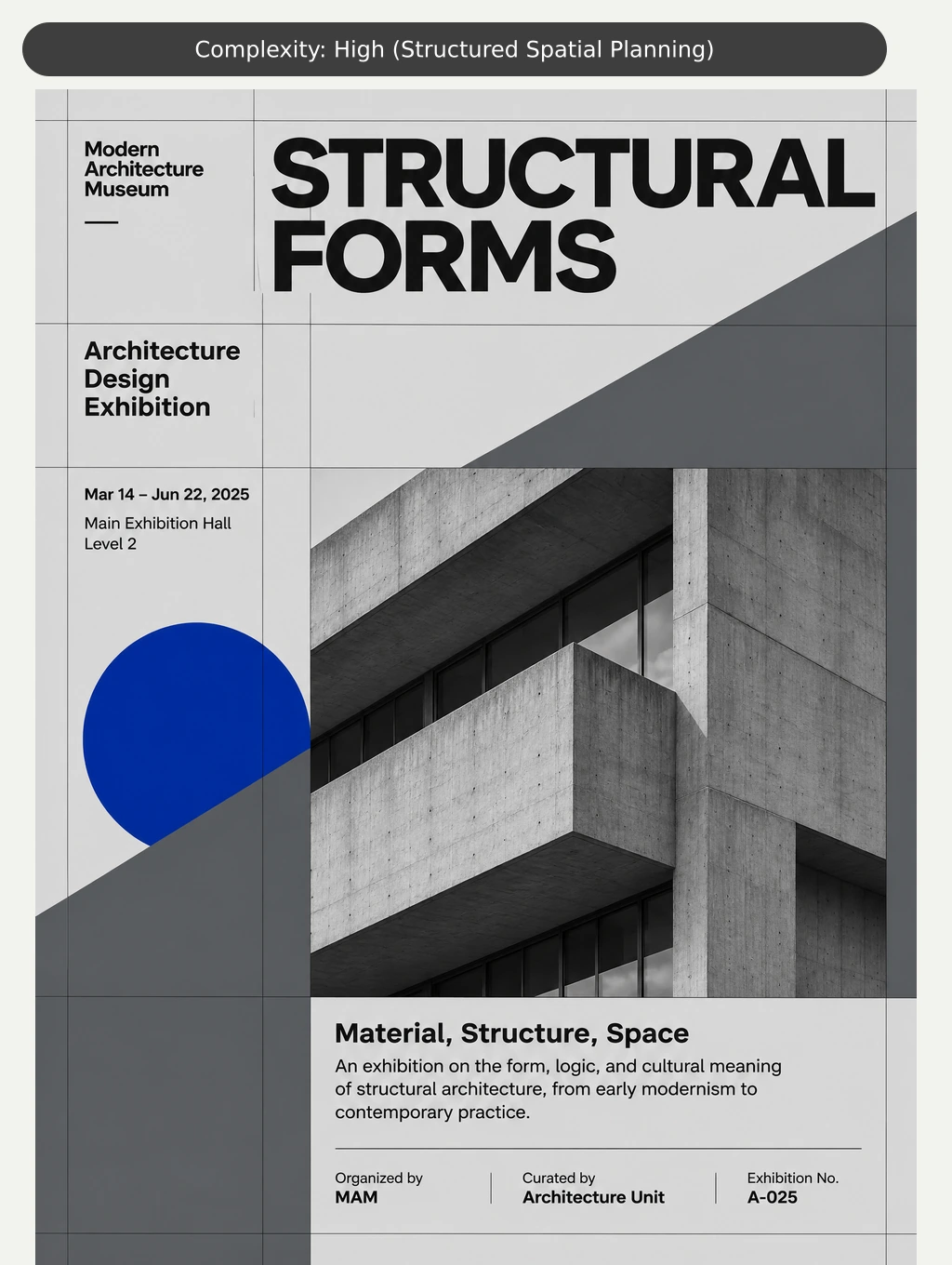
- High: Enhances comprehension of dense layouts, structured typography, intricate object interactions, and abstract creative briefs.
Complexity planning incurs no additional credit fee and can be toggled directly in the parameter panel.

|
|
Native Transparent Background Output
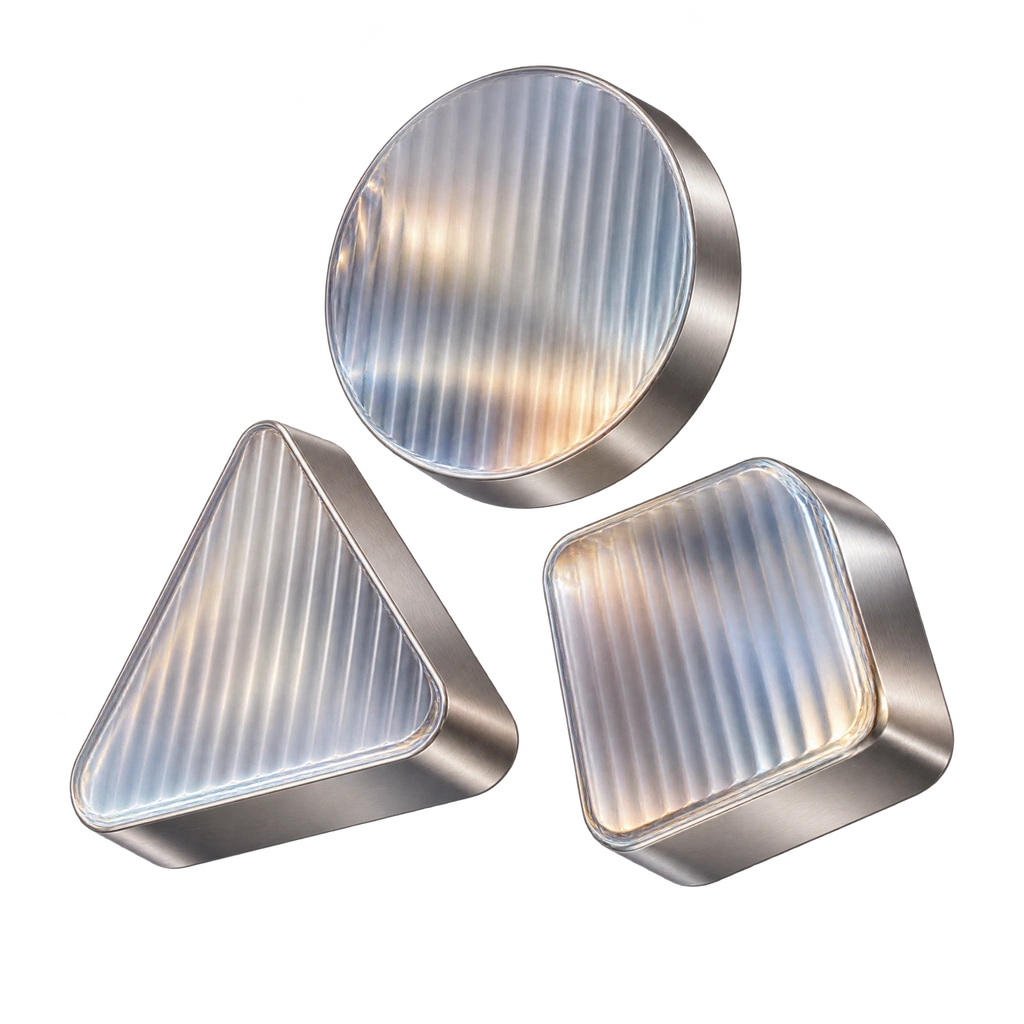
For product catalog cutouts, UI badges, logos, stickers, and compositing assets, GPT Image 2.6 natively outputs transparent PNGs.
Enabling transparent background isolates the primary subject cleanly at generation time, removing the need for third-party background removal tools and providing ready-to-composite layers directly inside your creative workflow.

|
|
Integrated into the Yihook Creative Workflow
Creators can select GPT Image 2.6 Flare or Sunburst directly in Yihook's generation page, homepage, creative canvas, and template library. Before running any generation, the interface presents the required credit quote based on the selected parameters.
Combined with canvas multi-layer editing and sequential workflows, GPT Image 2.6 provides production teams with a disciplined, predictable pipeline for moving from visual concept to final brand asset.
Ready to try it?
Put this playbook to workon your next piece.
Every prompt and workflow above runs as-is on the Yihook canvas. Start from a product shot or an idea, make the visuals and videos, and keep what works for your team.